
Updated from the July 9, 2026 report source check.
Current status
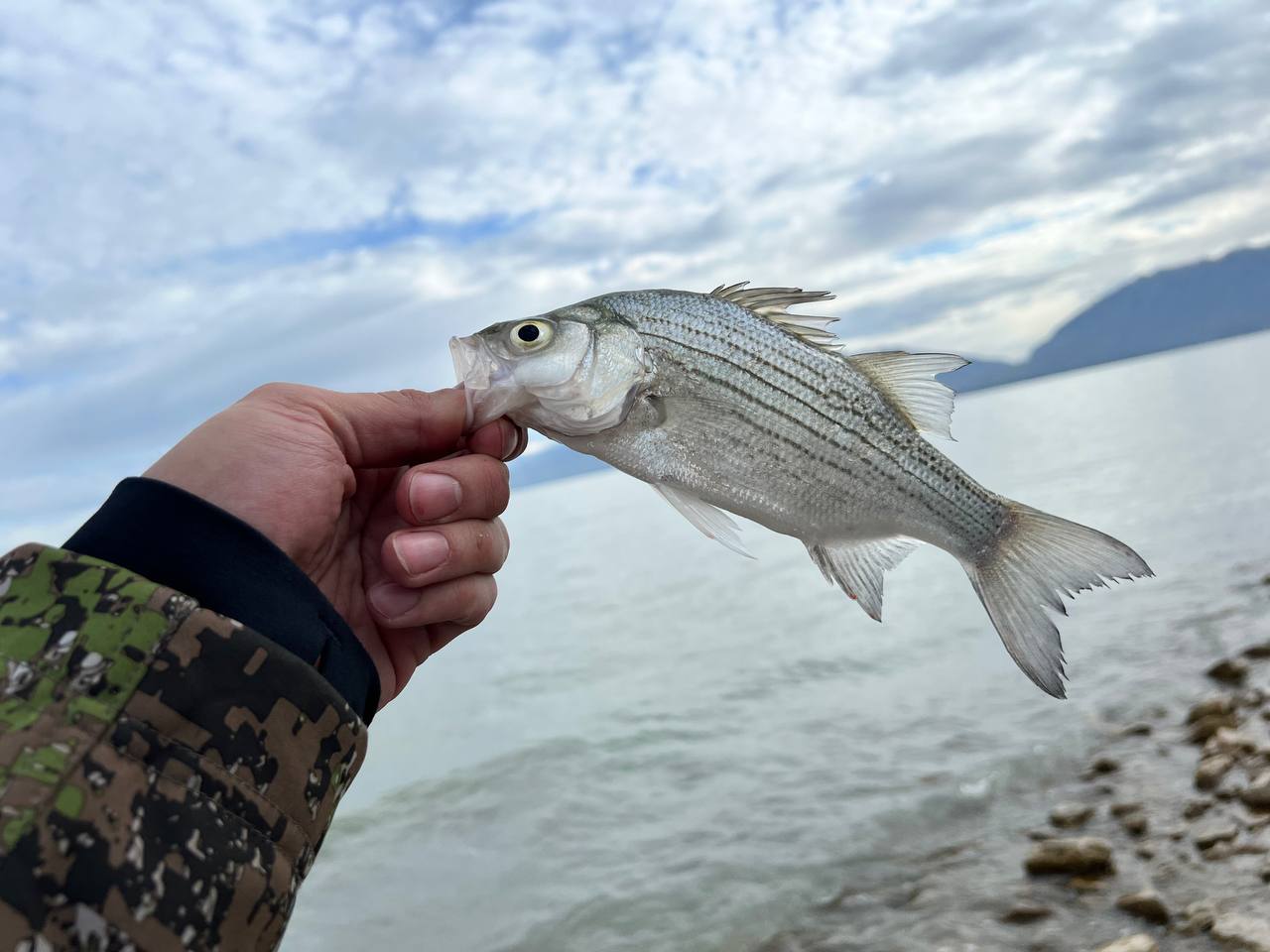
The main 2026 spring run is over, so the useful pattern has changed. In July, white bass are usually scattered after the spawn and starting to act more like open-water school fish. Watch for bait, birds, surface pops, and short flurries around harbor mouths or wind-pushed points.
| Season window | What is happening | Best move |
|---|---|---|
| Mid-April to late May | White bass push toward tributary mouths and current to spawn. | Fish small jigs and spinners near moving water, then move when the school moves. |
| Late May to June | Post-spawn fish scatter and feed in shorter bursts. | Carry a small jig or spoon while fishing harbors, points, and open-water edges. |
| July and August | Schools chase young shad and can show at the surface. | Look for splashes, birds, and bait. Cast fast, then leave if the school disappears. |
Where to start
During the run, start where moving water meets the lake: tributary mouths, harbor entrances, and nearby flats. After the run, think less about one famous bank and more about food. White bass will roam. A quiet edge can feel empty for an hour and suddenly come alive for five minutes.
- Provo Boat Harbor for protected water and quick access to the east side.
- American Fork Harbor when you want a north-shore starting point.
- Lincoln Beach when west-side wind and mud conditions are reasonable.
- Shore fishing guide for family-friendly backup ideas.
Best simple setup
You do not need a complicated box. A light spinning rod, 6-10 lb line, and a small handful of jigs will cover most days. Neon green, white, chartreuse, pearl, and orange all deserve a spot. If the water is dirty or the wind is pushing, go a little heavier so you can feel the lure.
| Water or crowd condition | Lure | Retrieve |
|---|---|---|
| Clearer, calmer water | 1/16 to 1/8 oz jig with a small curly tail | Slow swim with tiny pauses |
| Wind or deeper current | 1/8 to 1/4 oz jig, spoon, or inline spinner | Steady retrieve just fast enough to stay off bottom |
| Surface school | Small spoon, shad bait, or white jig | Cast past the splashes and retrieve through the edge |
How to fish it without fighting the crowd
White bass anglers tend to stack up where the last good report came from. That can work, but it is not the only way. If the shoulder-to-shoulder bank has gone quiet, move a short distance, change casting angles, and fish the softer edges where spooked schools slide off. Kids usually have more fun with steady casting room than with a perfect-looking spot that is too crowded to enjoy.
Rules and source checks
Check the Utah DWR fishing guidebook before you keep fish or use harvested fish as bait. Use the Utah Lake State Park current conditions, Utah Lake Authority water levels, and Utah Lake water-quality page before a long drive, especially once summer algae season starts.